Understanding Oxygen's Critical Role in Preventing Strokes
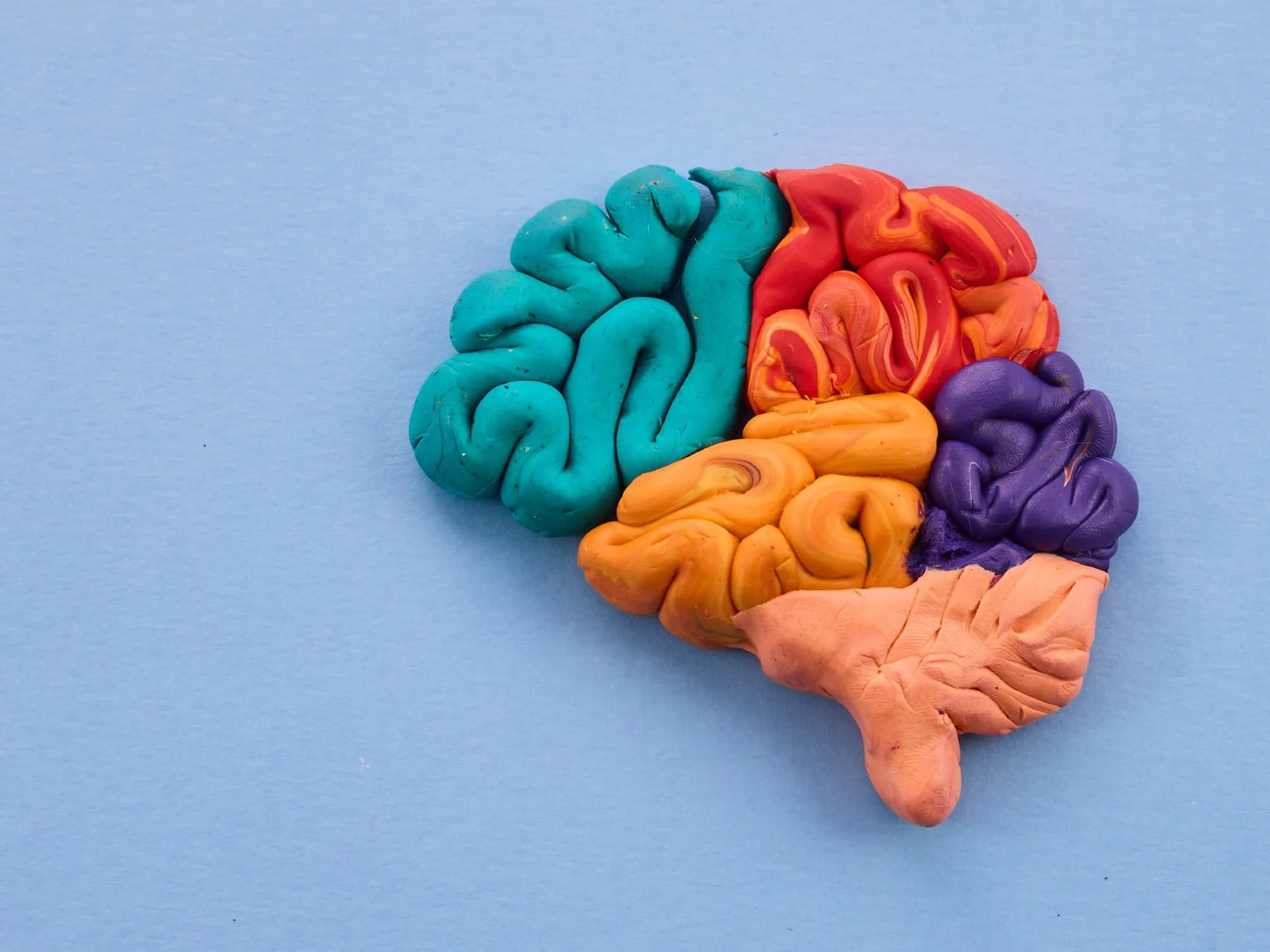
Your Brain: The 2% Body Mass That Rules Your World
YOUR brain is truly amazing – it's uniquely yours and incredibly complex! Though it makes up just 2% of our total body weight, it packs in over ten billion nerve cells that work together like a perfectly synchronised orchestra. Every single moment, millions of connections are firing away in there, controlling your every movement, thought, and feeling.
Just like your body needs food, your brain needs its own kind of fuel to keep running smoothly. It relies on oxygen and glucose for energy, which are delivered through an intricate network of arteries – kind of like a super-efficient delivery system.
Here's the thing though: your brain is demanding when it comes to oxygen. If any part of the brain is deprived of oxygen – even for just a few seconds – those delicate neuron functions are impaired. If this persists for longer than a few minutes, the brain cells begin to die along with the functions they control. It gets worse – when the brain is starved of oxygen, it sets off a deadly cascade of chemical reactions. The result is a stroke.
Understanding Strokes: What Happens and Why
There are two main ways strokes can happen:
1. Ischemic Strokes - When There's a Blockage
Ischemic stroke occurs when the blood supply to a part of the brain is blocked or reduced, depriving the brain tissue of oxygen and nutrients. Without blood delivering vital oxygen and nutrients, brain cells in the affected area start to shut down within minutes. It's the most common type of stroke.
2. Haemorrhagic Strokes - When There's a Leakage
A haemorrhagic stroke is caused by leaking or bursting of a blood vessel in the brain. When this happens, blood spills into or around your brain tissue cutting off connecting pathways and disrupting chemical and electrical flows. This isn't just about blood being where it shouldn't be – the extra fluid puts harmful pressure on your brain cells and disrupts the important signals that help your brain communicate with the rest of your body.
TIAs: The Warning Signal
Some people experience what is called a ‘TIA’ – or transient ischemic attack – which is a temporary disruption of blood flow to the brain. Think of this as a temporary mini-stroke where blood flow to your brain briefly gets interrupted. While the disruption is temporary, this is a warning signal that shouldn’t be ignored.
Here's the Crucial Part: No matter what type of stroke it is, time is absolutely critical. The faster you get medical help, the better the chances of recovery. If you suspect someone's having a stroke, don't wait – call emergency services right away. Quick medical attention can make the difference between a good recovery and serious complications.
Who Is At Risk?
Strokes can happen to anyone, and it mainly affects adults. Any of the five senses can be affected, causing disturbances in sight, hearing, smell, taste, and touch. Still, some adults are at higher risk than others. You might be at higher risk if you:
Smoke
Have high blood pressure
Deal with high cholesterol
Have diabetes that isn't well-controlled
Live with certain heart conditions
Carry extra weight
Don't get much exercise
Drink too much alcohol
But here's the good news: You're not powerless! Making some lifestyle changes can really lower your risk of having a stroke. And if you've already had one, there are effective treatments that can help prevent long-term disability. It's never too late to take control of your health.
Warning Signs
Trouble speaking or understanding: A person having a stroke may be confused, have slurred speech, or trouble understanding even simple sentences.
Trouble walking: Stumbling or loss of balance and coordination.
Trouble seeing: Sudden blurred, blackened, or double vision, in one or both eyes.
Dizziness or loss of balance. Feeling dizzy, and loss of balance or coordination, especially when combined with another symptom
Sudden weakness, numbness, or paralysis: Affects face, arm, or leg, typically on one side.
Less Common Symptoms include:
Sudden, unemplained, and intense headache
Sudden nausea and fever
Brief loss of consciousness or a period of decreased awareness
Don’t Ignore The Signs
When it comes to strokes, every minute matters. Pay attention to the time when symptoms first appeared – this information can be vital for medical teams to provide the most effective treatment. Don't wait and see if symptoms improve on their own. If you notice anyone showing signs of a stroke – including yourself – call emergency services right away. Even if you're unsure, it's always better to act quickly. The faster you get help, the better chance of minimising the damage.
Adapted from guidelines provided by the Heart and Stroke Foundation of South Africa.
The Road to Recovery: A Process for Survivors and their Loved Ones
Every stroke is different, and so is your journey to recovery. You’ll likely need a personalised approach, bringing together a team of healthcare professionals – including a neurologist, rehabilitation specialists, and other experts – all working collaboratively to support the rehabilitation process. The aim is to help you regain as much independence as possible.
Let’s be honest – recovery from a stroke impact more than just physical health; it also affects emotional well-being. This is where your support network becomes invaluable. Don’t hesitate to lean on family and friends; they want to help, and their support can make a real difference.
Recovery takes time and patience, so celebrate your progress – both the big victories and small gains. Every step forward is worth celebrating!
Seek help for yourself or your family, contact the Heart and Stroke Foundation of South Africa