You Think It’s A Stroke? Act F.A.S.T!
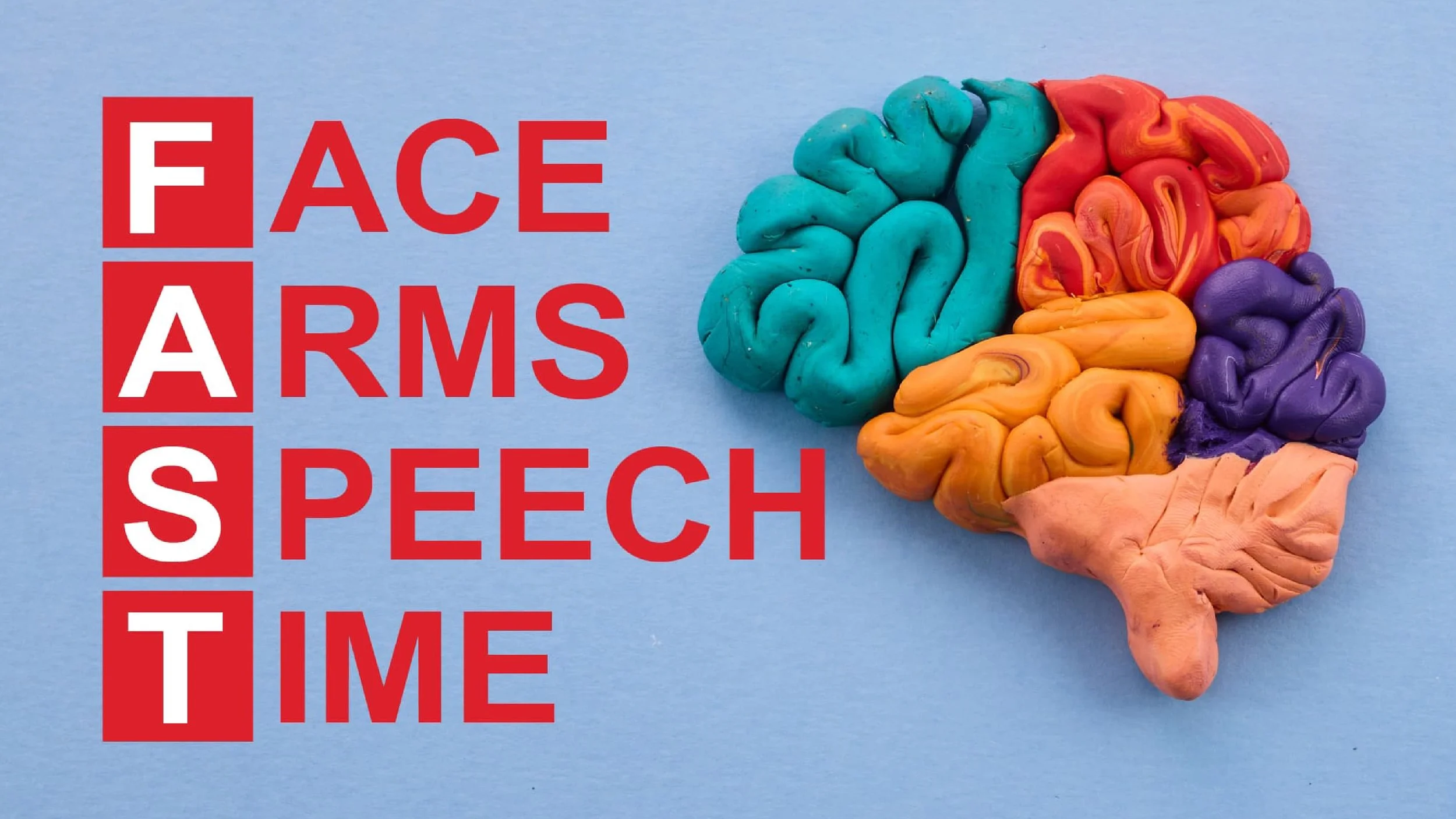
Every second counts when someone is having a stroke. Knowing the signs and taking immediate action can mean the difference between recovery and long-term disability. This guide will walk you through the crucial FAST method for identifying a stroke and the essential steps you need to take to save a life. Share this knowledge with friends and family – you never know when you might need it.
What is FAST?
FAST is a simple acronym that helps you remember – and detect – the most common signs of stroke:
F - Face Drooping
A - Arm Weakness
S - Speech Difficulty
T - Time to Call Emergency Services
Face Drooping
One side of the face may droop or become numb.
Ask the person to smile
Look for an uneven smile
Check if one side of the face droops
Note if they report numbness in any part of their face
Arm Weakness
Weakness or numbness in one arm is a critical stroke indicator.
Ask the person to raise both arms
Watch if one arm drifts downward
Check if they can maintain the position
Ask if either arm feels weak or numb
Speech Difficulty
Listen carefully for slurred speech, difficulty speaking, confusion, or problems understanding simple phrases
Ask them to repeat a simple sentence
Listen for unclear pronunciation
Note if they struggle to find words
Check if they can understand you
Time is Critical
When you spot any of these signs, immediate action is crucial:
Call your local emergency services immediately
Note the time symptoms first appeared
Don't wait to see if symptoms improve
Stay with the person until help arrives
Additional Emergency Steps
While waiting for emergency services:
Keep the person calm
Do not give them food or drink
Collect their medications for paramedics
Keep them in a safe position
Monitor their breathing and consciousness
When in Doubt, Check it Out
Remember, not all stroke victims show every symptom; and in some cases, symptoms may be temporary. However, it's always better to seek immediate medical help if you have any suspicions.
Additional Resources
For more information about stroke prevention and support:
Contact your local stroke association
Speak with your healthcare provider
Join a stroke support group
Take a first aid course